


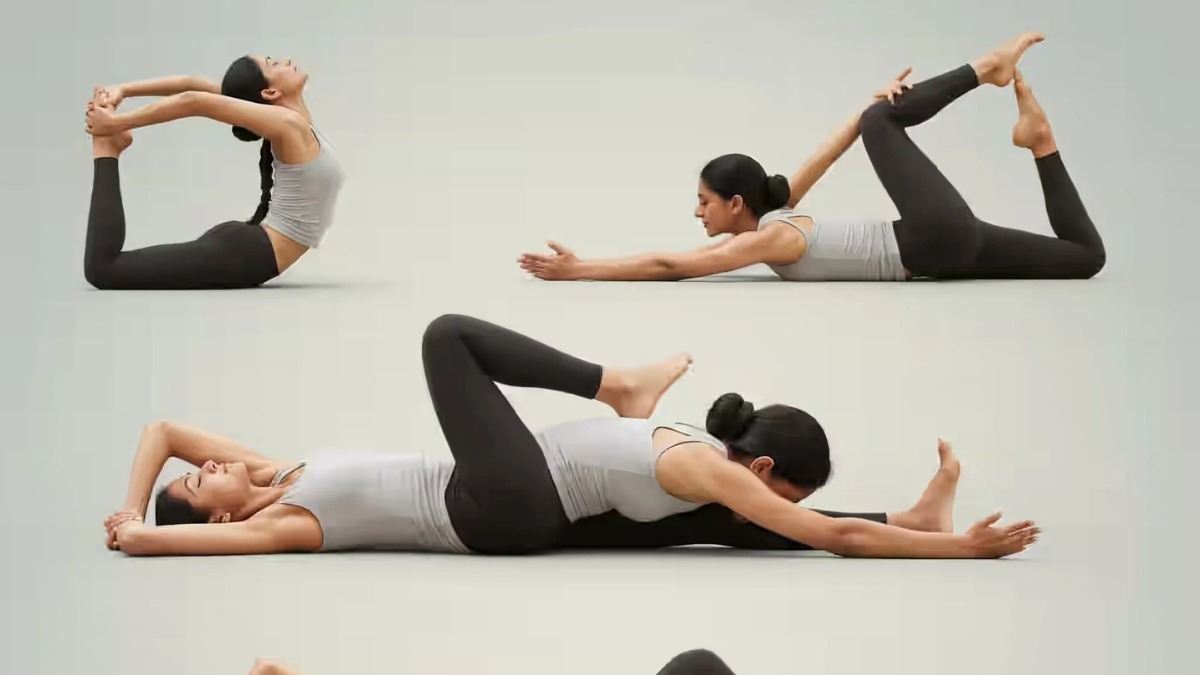
Back pain has become one of the most common health complaints in modern life. Long hours of sitting, poor posture, lack of movement, and daily stress can all contribute to stiffness and discomfort in the spine. While medical treatment may be necessary for serious conditions, many doctors and physical therapists recommend gentle yoga as a safe and effective way to reduce everyday back pain and improve overall mobility.
Yoga focuses on stretching tight muscles, strengthening weak areas, and improving posture and body awareness. When practiced correctly, simple yoga poses can reduce pressure on the spine, support healthy alignment, and promote long-term relief. The key is choosing safe, beginner-friendly movements that encourage relaxation rather than strain.

This guide covers five doctor-approved yoga poses that are commonly recommended to ease back pain and help your body feel more balanced and comfortable. These poses are gentle enough for most people, but always listen to your body and stop if you feel sharp or intense pain.
Why Yoga Helps With Back Pain
Before jumping into the poses, it’s helpful to understand why yoga works so well for back discomfort. Many cases of back pain come from muscle imbalances. Tight hamstrings, weak core muscles, and stiff hips can all place extra stress on the lower back. Yoga gently stretches these tight areas while strengthening the muscles that support the spine.
Another major benefit is improved posture. Many yoga poses teach you how to align your shoulders, hips, and spine correctly, which can reduce pressure and prevent future pain. Deep breathing techniques also help relax tense muscles and reduce inflammation caused by stress.
When practiced consistently, yoga can improve flexibility, increase blood flow to injured areas, and support faster recovery.
1. Cat-Cow Stretch (Marjaryasana-Bitilasana)
Cat-Cow is one of the most recommended yoga movements by doctors and physiotherapists because it gently mobilizes the spine without adding pressure. It is especially helpful for people who feel stiff after sitting for long periods.
To practice, start on your hands and knees with your wrists under your shoulders and knees under your hips. As you inhale, drop your belly toward the floor, lift your chest, and look slightly upward to enter Cow Pose. As you exhale, round your back toward the ceiling and tuck your chin into your chest for Cat Pose. Move slowly between these two positions for about one to two minutes.
This movement increases flexibility in the spine, improves circulation around the vertebrae, and releases tension from the lower and upper back. It also helps you become more aware of your posture and breathing patterns.
2. Child’s Pose (Balasana)
Child’s Pose is a gentle resting posture that stretches the lower back, hips, and thighs while promoting deep relaxation. Many doctors recommend it as a safe starting point for people experiencing mild to moderate back pain.
Begin by kneeling on the floor with your big toes touching and knees slightly apart. Sit your hips back toward your heels and stretch your arms forward on the mat. Rest your forehead on the ground or on a pillow for extra support. Focus on slow breathing and allow your back muscles to soften.
This pose gently lengthens the spine and reduces pressure on the lower back. It can also calm the nervous system, which is helpful because stress often makes pain feel worse. If your hips feel tight, placing a pillow between your thighs and calves can make the pose more comfortable.
3. Sphinx Pose
Sphinx Pose is a mild backbend that strengthens the lower back muscles and encourages proper spinal alignment without being too intense. Doctors often suggest it for people who spend long hours sitting, as it helps counteract slouching.
Lie on your stomach with your legs extended behind you. Place your forearms on the floor with your elbows under your shoulders and gently lift your chest. Keep your neck long and your shoulders relaxed away from your ears. Hold the pose for about 20 to 30 seconds while breathing slowly.
This pose strengthens the muscles that support the spine and improves posture. It also helps open the chest and reduce tightness in the front of the body caused by sitting at desks or looking at screens for long periods.
4. Knees-To-Chest Pose (Apanasana)
Knees-To-Chest Pose is a simple yet effective movement for relieving lower back tension and promoting relaxation. It gently stretches the lumbar spine and releases tight muscles around the hips.
Lie flat on your back and bring both knees toward your chest. Wrap your arms around your shins or hold the back of your thighs. Gently rock side to side to massage your lower back against the floor if it feels comfortable. Stay in this position for about one minute while taking slow breaths.
This pose helps decompress the spine and release pressure in the lower back. It is often recommended for people who feel stiffness after standing or walking for long periods. The gentle rocking motion can also improve circulation and reduce muscle tension.
5. Bridge Pose (Setu Bandhasana)
Bridge Pose strengthens the core, glutes, and lower back muscles, which are essential for maintaining a healthy spine. Doctors frequently recommend this pose because strong supporting muscles help prevent recurring back pain.
Start by lying on your back with your knees bent and feet flat on the floor, hip-width apart. Press your feet into the ground and slowly lift your hips toward the ceiling. Keep your shoulders and arms relaxed on the floor. Hold the position for 10 to 20 seconds, then slowly lower your hips back down.
This pose strengthens the muscles that support the lower back while gently stretching the front of the hips. Over time, improved strength and stability can reduce strain on the spine during daily activities.
Tips For Practicing Yoga Safely With Back Pain
Safety is essential when practicing yoga for pain relief. Always move slowly and avoid pushing your body into deep stretches. Use props like pillows, blankets, or yoga blocks to support your body and make poses more comfortable. Focus on smooth breathing and gentle movements rather than intensity.
If you have a serious injury, herniated disc, or chronic medical condition, consult a healthcare professional before starting a new exercise routine. Pain should never feel sharp or sudden — if it does, stop immediately.
Consistency matters more than duration. Even a short 10-minute routine done daily can provide noticeable improvements in flexibility and comfort over time.
Building A Simple Daily Routine
A basic back pain relief routine could include Cat-Cow to warm up the spine, Child’s Pose for gentle stretching, Sphinx Pose for strengthening, Knees-To-Chest for relaxation, and Bridge Pose to build support muscles. Practicing this sequence regularly can help restore balance and reduce stiffness caused by daily activities.
Try practicing in a quiet environment where you can focus on your breathing and body awareness. Morning routines can help reduce stiffness after sleep, while evening sessions can relax muscles after a long day.
Final Thoughts
Back pain doesn’t always require intense workouts or complicated treatments. Gentle, doctor-approved yoga poses can provide effective relief by improving flexibility, strengthening supportive muscles, and encouraging better posture. With consistent practice, these simple movements can help reduce discomfort, improve mobility, and support long-term spinal health.
Remember to start slowly, stay mindful of your body’s limits, and focus on relaxation rather than perfection. Over time, even a few minutes of daily yoga may help you move more comfortably and enjoy a healthier, pain-free lifestyle. If you want, I can also create a beginner-friendly weekly yoga plan for back pain relief, a chair yoga version for office workers, or a gentle stretching routine specifically designed for lower back stiffness.