



As people age, the immune system naturally becomes less efficient. This process, often referred to as immune aging or immunosenescence, leads to reduced ability to fight infections, slower recovery from illness, increased inflammation, and higher vulnerability to chronic diseases. Many older adults notice they get sick more often, take longer to heal, and experience prolonged fatigue after even minor illnesses.
While aging itself is unavoidable, immune decline is not entirely inevitable. Lifestyle factors such as physical activity, stress management, sleep quality, circulation, nutrition, and nervous system regulation play a major role in immune strength. One of the most effective, natural, and sustainable tools for supporting immune health is yoga.

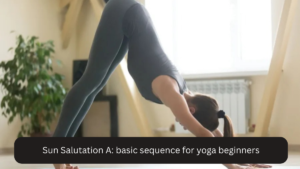
Yoga is not just physical exercise. It is a holistic system that improves circulation, supports lymphatic flow, balances hormones, regulates the nervous system, reduces chronic inflammation, and strengthens the mind-body connection. When practiced consistently, yoga can significantly support immune resilience and slow age-related immune decline.
This article explores five key reasons the immune system weakens with age and explains how yoga directly helps counter each one.
1. Chronic Inflammation Increases with Age
Why It Happens
As the body ages, low-grade chronic inflammation becomes more common. This condition, often referred to as inflammaging, is caused by:
- Long-term stress exposure
- Accumulated cellular damage
- Poor circulation
- Sedentary lifestyle
- Poor metabolic health
- Immune system imbalance

Chronic inflammation weakens immune responses and increases susceptibility to infections, autoimmune disorders, and degenerative diseases.
How Yoga Helps
Yoga reduces inflammation through multiple mechanisms:
It lowers stress hormones such as cortisol and adrenaline
It activates the parasympathetic nervous system
It improves blood circulation
It supports lymphatic drainage
It improves hormonal balance
It promotes deep relaxation

Yoga poses such as gentle backbends, twists, forward folds, and restorative postures reduce inflammatory responses and support immune regulation. Breathing techniques further calm the nervous system and reduce systemic inflammation.
2. Reduced Circulation and Lymphatic Flow
Why It Happens
With age, blood flow and lymphatic circulation become less efficient. The lymphatic system is essential for immune function because it transports immune cells, removes waste, and filters pathogens. Reduced movement, muscle weakness, and sedentary habits slow this system down.
Poor circulation limits oxygen delivery, nutrient transport, and immune cell mobility, weakening the body’s defense system.
How Yoga Helps
Yoga stimulates both blood and lymphatic circulation:
Muscle contractions support lymph flow
Inverted and semi-inverted poses improve circulation
Deep breathing activates lymph movement
Joint mobility improves fluid exchange
Movement increases oxygen delivery
Poses such as Downward-Facing Dog, Bridge Pose, Legs-Up-the-Wall, gentle twists, and dynamic flows help move lymph and blood efficiently, strengthening immune defense mechanisms.
3. Hormonal and Nervous System Imbalance
Why It Happens
Aging affects hormone production and nervous system regulation. The stress response becomes more dominant, leading to:
Increased cortisol levels
Weakened immune signaling
Chronic sympathetic nervous system activation
Poor immune communication
Reduced immune cell production
Long-term stress suppresses immune function and increases vulnerability to illness.
How Yoga Helps
Yoga restores nervous system balance by:
Activating the parasympathetic response
Reducing stress hormones
Improving vagus nerve function
Supporting hormonal regulation
Enhancing mind-body awareness
Meditative poses, breathwork, and slow movement shift the body from stress mode into healing mode, strengthening immune regulation and resilience.
4. Muscle Loss and Reduced Physical Activity
Why It Happens
With age, muscle mass naturally declines, a process known as sarcopenia. Reduced muscle activity leads to:
Lower immune cell circulation
Weaker metabolic health
Reduced lymphatic movement
Poor detoxification
Decreased physical resilience
A sedentary lifestyle directly weakens immune function by slowing the systems that support immune defense.
How Yoga Helps
Yoga maintains and restores muscle function through:
Gentle strength-building poses
Weight-bearing postures
Functional movement patterns
Joint stability training
Muscle activation sequences
Standing poses, balance poses, and controlled transitions help maintain muscle mass, improve circulation, and support immune health without high-impact strain.
5. Poor Sleep and Mental Stress
Why It Happens
Sleep quality often declines with age due to hormonal changes, anxiety, chronic pain, and nervous system imbalance. Poor sleep weakens immune responses, reduces immune cell production, and increases inflammation.
Chronic mental stress further suppresses immune function and disrupts immune signaling pathways.
How Yoga Helps
Yoga improves sleep and mental health by:
Calming the nervous system
Reducing anxiety
Improving breathing patterns
Promoting relaxation
Balancing hormones
Improving emotional regulation
Restorative yoga, evening yoga routines, breathing exercises, and meditation significantly improve sleep quality and immune restoration.
How Yoga Strengthens the Immune System Holistically
Yoga strengthens immunity by:
Improving circulation and oxygen delivery
Enhancing lymphatic flow
Reducing inflammation
Balancing stress hormones
Strengthening muscles
Improving sleep quality
Regulating nervous system function
Improving metabolic health
Supporting emotional balance
Enhancing mind-body connection
This holistic effect makes yoga uniquely powerful for immune support across the lifespan.
Best Types of Yoga for Immune Health
Gentle flow yoga
Restorative yoga
Hatha yoga
Yin yoga
Breath-focused yoga
Meditative yoga
Chair yoga for seniors
Slow vinyasa yoga
Consistency matters more than intensity.
Simple Daily Immune-Support Yoga Routine
This routine takes 15–20 minutes daily:
Gentle spinal movements
Downward-Facing Dog
Bridge Pose
Seated twist
Legs-Up-the-Wall
Seated breathing
Savasana
This routine supports circulation, lymphatic flow, nervous system balance, and immune regulation.
Frequently Asked Questions (FAQ)
Why does the immune system weaken with age?
Because of chronic inflammation, reduced circulation, hormonal changes, nervous system imbalance, muscle loss, and lifestyle factors.
Can yoga really improve immunity?
Yes. Yoga improves circulation, reduces inflammation, regulates stress, improves sleep, and strengthens immune signaling pathways.
How often should yoga be practiced for immune health?
Three to five times per week is effective. Gentle daily practice produces the best results.
How long before immune benefits appear?
Most people experience improved energy, sleep, and resilience within two to four weeks of consistent practice.
Is yoga safe for older adults?
Yes. Yoga can be safely modified for all ages and fitness levels.
Is yoga better than intense exercise for immune health?
Moderate exercise like yoga supports immunity better than excessive high-intensity training, which can suppress immune function.
Can yoga help prevent illness?
Yoga strengthens immune resilience, reducing susceptibility to infections.
Does yoga improve sleep quality?
Yes. Yoga improves nervous system balance and hormonal regulation, improving sleep.
Can stress really weaken immunity?
Yes. Chronic stress directly suppresses immune function.
Can yoga slow immune aging?
Yes. Regular yoga practice supports immune balance, circulation, and nervous system health, helping slow immune decline.
Conclusion
Immune decline with age is not caused by aging alone. It is strongly influenced by lifestyle factors such as movement, stress, sleep, circulation, and nervous system balance. Yoga offers a natural, safe, and scientifically supported way to strengthen immune function and slow age-related immune weakening.
By reducing inflammation, improving circulation, balancing hormones, calming the nervous system, strengthening muscles, and improving sleep, yoga directly addresses the root causes of immune decline. With consistent practice, yoga enhances immune resilience, supports healthy aging, and improves overall quality of life.
Yoga is not just exercise—it is a long-term investment in immune strength, vitality, and lifelong wellness.