


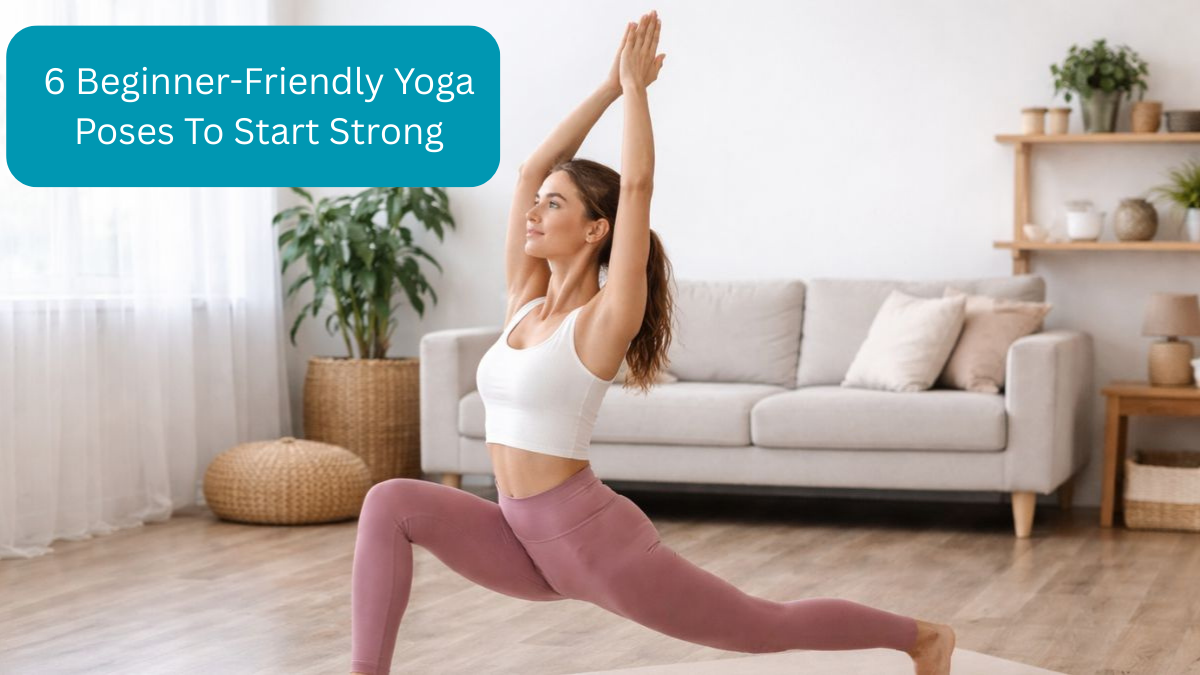
Yoga is a powerful practice that improves flexibility, strength, balance, and mental clarity. For beginners, starting with the right poses is essential to build a solid foundation, prevent injuries, and develop confidence in your practice. These six beginner-friendly poses are simple yet effective, targeting key areas such as the spine, hips, shoulders, and core.
With regular practice, these poses help beginners:
- Increase flexibility
- Strengthen muscles
- Improve posture
- Reduce stress
- Build confidence for advanced poses
1. Mountain Pose (Tadasana)
Purpose

The foundation of all standing poses; promotes posture, balance, and body awareness.
How to Perform
- Stand with feet hip-width apart.
- Distribute weight evenly across both feet.
- Engage thighs, lift kneecaps, and gently tuck the tailbone.
- Relax shoulders, extend arms alongside the body.
- Inhale, lengthen the spine, and gaze forward.
Benefits
- Improves posture and alignment
- Strengthens legs and core
- Enhances balance and grounding
Tips for Beginners
- Focus on steady breathing.
- Keep knees soft, not locked.
- Visualize lengthening from head to heels.
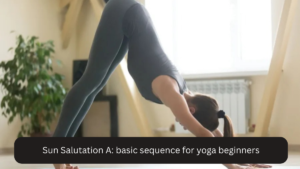
2. Downward-Facing Dog (Adho Mukha Svanasana)
Purpose
A full-body stretch that strengthens the arms, shoulders, and legs.
How to Perform
- Start on hands and knees, hands shoulder-width, knees hip-width apart.
- Spread fingers wide and tuck toes.
- Lift hips toward the ceiling, forming an inverted V shape.
- Press heels toward the floor, keeping spine long.
- Hold for 5–10 breaths.
Benefits
- Stretches hamstrings, calves, and spine
- Strengthens arms, shoulders, and core
- Improves circulation
Tips for Beginners
- Bend knees if hamstrings feel tight.
- Focus on lifting hips rather than straightening legs.
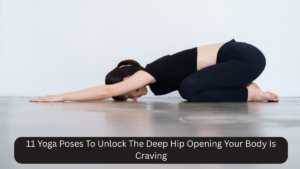
3. Child’s Pose (Balasana)
Purpose
A restorative pose to stretch the back and calm the mind.
How to Perform
- Kneel on the floor, big toes touching, knees hip-width apart.
- Sit back on heels and fold forward, extending arms in front.
- Rest forehead on the mat.
- Breathe deeply and relax for 30–60 seconds.
Benefits
- Gently stretches the spine, hips, and thighs
- Relieves tension in the back, shoulders, and neck
- Promotes relaxation and mindfulness
Tips for Beginners
- Place a cushion under hips for comfort.
- Keep arms by your side if shoulder stretch is uncomfortable.
4. Cat-Cow Pose (Marjaryasana–Bitilasana)
Purpose
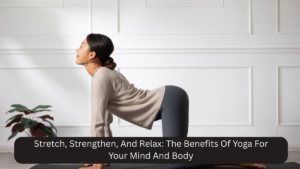
Mobilizes the spine and warms up the back muscles.
How to Perform
- Start on hands and knees, wrists under shoulders, knees under hips.
- Inhale, arch the spine, lifting the tailbone and head (Cow Pose).
- Exhale, round the spine, tucking chin and tailbone (Cat Pose).
- Repeat for 5–10 rounds.
Benefits
- Increases spinal flexibility
- Strengthens core and back muscles
- Improves posture and coordination
Tips for Beginners
- Move slowly, syncing breath with movement.
- Keep neck relaxed throughout the flow.
5. Warrior II (Virabhadrasana II)
Purpose
Builds strength and stability while opening hips and chest.
How to Perform
- Stand with feet wide apart, arms extended at shoulder height.
- Turn right foot outward, left foot slightly inward.
- Bend the right knee until thigh is parallel to the floor.
- Keep hips facing forward, gaze over the right hand.
- Hold 20–30 seconds, then switch sides.
Benefits
- Strengthens legs, hips, and core
- Opens chest and shoulders
- Improves focus and balance
Tips for Beginners
- Avoid letting the knee extend past the ankle.
- Keep front thigh parallel to the floor for proper alignment.
6. Bridge Pose (Setu Bandha Sarvangasana)
Purpose
Strengthens glutes and lower back while opening the chest.
How to Perform
- Lie on your back, knees bent, feet flat on the floor, hip-width apart.
- Place arms alongside the body.
- Press through heels, lifting hips toward the ceiling.
- Clasp hands under the back or keep arms on the floor.
- Hold for 20–30 seconds, then slowly lower.
Benefits
- Strengthens glutes, hamstrings, and lower back
- Opens chest and shoulders
- Improves spine flexibility
Tips for Beginners
- Avoid over-arching the lower back.
- Engage glutes and core for support.
Sample Beginner Yoga Routine (15–20 Minutes)
- Mountain Pose – 1 minute
- Cat-Cow Pose – 5 rounds
- Downward-Facing Dog – 5–10 breaths
- Warrior II – 20–30 seconds per side
- Bridge Pose – 20–30 seconds
- Child’s Pose – 1–2 minutes
This sequence warms up the body, strengthens key muscles, and introduces flexibility and mindfulness.
Frequently Asked Questions (FAQ)
Do I need to be flexible to start yoga?
No. Yoga is about gradual improvement. Beginner poses are designed for all flexibility levels.
How often should beginners practice yoga?
3–5 times per week is ideal for progress and consistency.
Can yoga help with stress and mental clarity?
Yes. Deep breathing and mindfulness in yoga reduce stress and improve focus.
Is equipment required for beginner yoga?
A yoga mat is sufficient. Props like blocks or straps are optional but helpful.
How long does it take to see benefits?
Most beginners notice improved flexibility, posture, and calmness within 2–4 weeks of consistent practice.
Can older adults practice these poses safely?
Yes. All poses can be modified using props or by reducing range of motion.
Should I breathe in a specific way?
Yes. Inhale during opening movements, exhale during folding or compressions, and maintain steady, relaxed breaths.
Do I need to warm up before yoga?
Beginner yoga sequences often include gentle warming (Cat-Cow, Mountain Pose). Additional warm-up is optional.
Conclusion
Starting yoga with beginner-friendly poses builds a strong foundation for long-term practice. These six poses—Mountain Pose, Downward-Facing Dog, Child’s Pose, Cat-Cow, Warrior II, and Bridge Pose—strengthen key muscles, improve flexibility, enhance posture, and reduce stress.
Consistent practice, mindful breathing, and gradual progression allow beginners to gain strength, confidence, and physical awareness, paving the way for more advanced yoga techniques safely and effectively.