
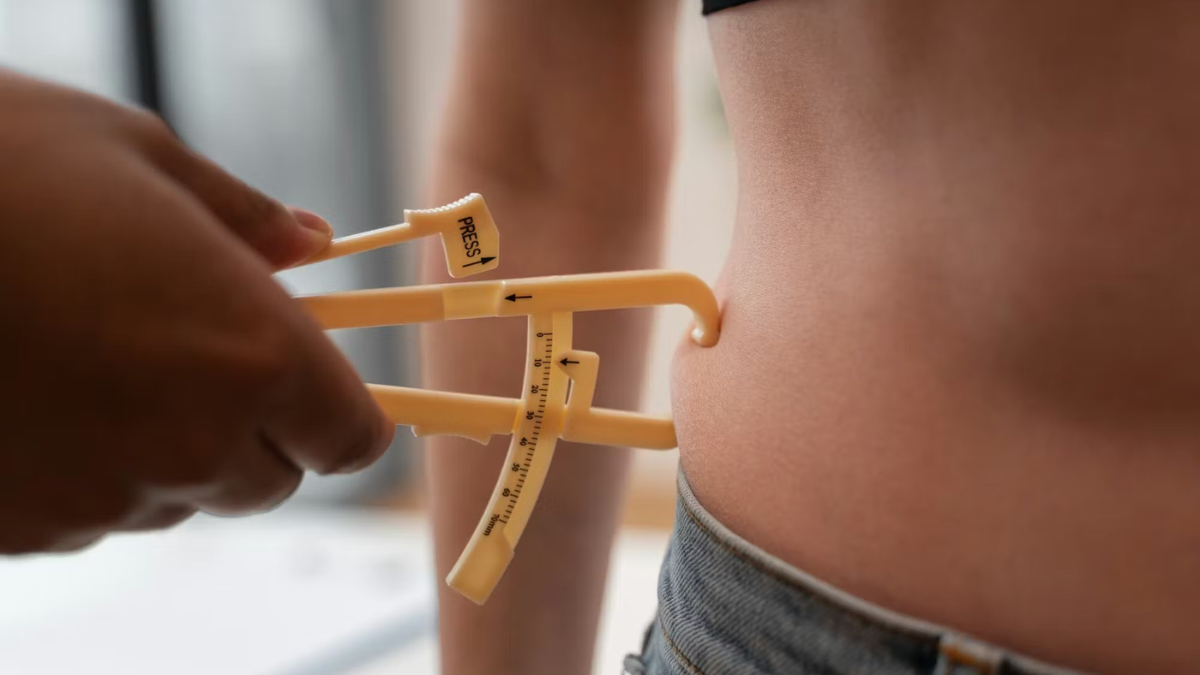
Hypertension, commonly known as high blood pressure, is a growing health concern worldwide. Often called the “silent killer,” it develops silently over time and significantly increases the risk of heart disease, stroke, and kidney failure. While many factors contribute to hypertension, recent studies have highlighted an interesting association between body measurements, particularly hip size, and the risk of developing high blood pressure. Men with a hip circumference greater than 40 inches may face a heightened risk, making it crucial to understand the reasons behind this and the steps to mitigate it.
Understanding Hip Size and Body Measurements
When discussing body measurements and health risks, waist and hip measurements are often highlighted. While waist circumference has traditionally been linked to obesity and cardiovascular risk, the hip circumference has recently gained attention as an important indicator.

Hip size is measured around the widest part of the buttocks. A measurement of more than 40 inches in men is considered significant. This measurement can reflect overall body fat distribution, particularly around the hips and lower body. Excess fat in this area is not merely a cosmetic concern but also has physiological implications.
The reason hip size matters is because fat accumulation in certain body regions, especially around the abdomen and hips, is closely linked to metabolic disorders, including hypertension, diabetes, and dyslipidemia. While abdominal fat (visceral fat) is more dangerous than subcutaneous fat in the hips, a hip size over 40 inches may indicate an imbalance between muscle and fat, increasing cardiovascular risk.
The Link Between Hip Size and Hypertension
High blood pressure occurs when the force of blood against the walls of the arteries is consistently too high. This can damage arteries and organs over time. The connection between hip size and hypertension is multifaceted:
- Fat Distribution and Insulin Resistance
Excess fat around the hips and thighs may lead to insulin resistance, where the body’s cells fail to respond effectively to insulin. Insulin resistance increases the likelihood of hypertension by promoting sodium retention and activating the sympathetic nervous system, which controls blood vessel constriction. - Hormonal Changes
Fat tissue is not just a storage of energy; it’s an active endocrine organ that produces hormones. Increased hip fat can affect leptin and adiponectin levels, hormones that regulate appetite and metabolism. Imbalances in these hormones can raise blood pressure. - Inflammation
Excess fat triggers a chronic, low-grade inflammatory response in the body. Inflammatory molecules such as cytokines can stiffen arteries and impair their ability to relax, which directly contributes to elevated blood pressure. - Lifestyle Correlation
Men with a hip circumference exceeding 40 inches often have associated lifestyle risk factors such as a sedentary routine, unhealthy diet, excessive alcohol consumption, and inadequate sleep—all of which are independently linked to hypertension.

Understanding these links emphasizes that a large hip size is not just a measurement—it’s an indicator that the body might be under metabolic stress, which could lead to serious cardiovascular conditions if left unchecked.
Ways to Deal With Increased Hip Size and Reduce Hypertension Risk
The good news is that men can take proactive steps to reduce hip size, manage weight, and control blood pressure. Below are practical strategies:
1. Adopt a Heart-Healthy Diet
A balanced diet plays a crucial role in managing both body fat and blood pressure. Focus on the following:
- Reduce Sodium Intake: Excess salt leads to water retention and elevated blood pressure. Limit processed foods, canned soups, and salty snacks.
- Eat More Fruits and Vegetables: High in fiber, antioxidants, and potassium, they help balance blood pressure and support weight management.
- Include Whole Grains: Oats, brown rice, and whole wheat help stabilize blood sugar and support cardiovascular health.
- Healthy Fats: Incorporate sources of unsaturated fats, such as olive oil, nuts, seeds, and fatty fish, which reduce inflammation and improve heart health.
- Moderate Portion Sizes: Avoid overeating, which contributes to fat accumulation, including in the hips.
2. Regular Physical Activity

Exercise is a cornerstone of weight and blood pressure management:
- Cardiovascular Exercises: Activities such as walking, running, swimming, or cycling help burn fat and improve heart health. Aim for at least 150 minutes of moderate-intensity exercise per week.
- Strength Training: Building lean muscle mass increases metabolism and reduces fat storage in the body, including the hip area. Squats, lunges, and leg presses are particularly effective for targeting hip muscles.
- High-Intensity Interval Training (HIIT): Short bursts of intense exercise followed by rest periods help burn fat efficiently and improve cardiovascular health.
3. Maintain a Healthy Weight
Overall body weight influences blood pressure more than hip size alone. Men should aim for a body mass index (BMI) within the normal range. Even a modest weight loss of 5–10% can significantly lower blood pressure and improve overall health.
4. Manage Stress
Chronic stress contributes to hypertension. Techniques to manage stress include:
- Meditation and Mindfulness: Reduce cortisol levels and improve overall well-being.
- Yoga and Deep Breathing: Enhance flexibility and promote relaxation.
- Adequate Sleep: Poor sleep is linked to weight gain and elevated blood pressure. Aim for 7–8 hours per night.
5. Limit Alcohol and Quit Smoking
Both alcohol and tobacco use raise blood pressure and increase cardiovascular risk. Reducing alcohol intake to moderate levels and quitting smoking can improve both hip fat distribution and heart health.
6. Monitor Blood Pressure Regularly
Regular monitoring helps detect hypertension early, allowing timely intervention. Home blood pressure monitors are widely available and easy to use. If readings consistently exceed 130/80 mmHg, consult a healthcare professional for evaluation and treatment.
7. Consult Healthcare Professionals
For men with a hip size over 40 inches, it may be wise to consult a doctor or nutritionist. They can provide personalized guidance on diet, exercise, and, if necessary, medication to manage hypertension.
Frequently Asked Questions (FAQs)
Q1. Is hip size alone enough to predict hypertension risk?
No. While hip size over 40 inches can indicate higher risk, it should be considered alongside other factors such as waist size, BMI, lifestyle habits, and family history. Blood pressure is influenced by multiple variables.
Q2. Can exercise specifically reduce hip size?
Yes, targeted strength exercises combined with overall fat-reducing activities like cardio can help tone hip muscles and reduce fat in that area. However, spot reduction is limited, and overall fat loss is more effective.
Q3. At what age does hip size start affecting blood pressure risk?
There is no strict age threshold, but risk increases with age, especially after 40, when metabolism slows and body fat distribution changes. Men should monitor body measurements and blood pressure from early adulthood.
Q4. Can diet alone reduce hip size and hypertension risk?
A balanced diet is essential, but combining it with regular physical activity and lifestyle changes is more effective for sustainable results. Diet alone may not achieve optimal blood pressure control or fat reduction.
Q5. Are there medical treatments to reduce hip size?
Surgical options like liposuction exist but are generally not recommended solely for reducing hip circumference. Lifestyle interventions are safer and more beneficial for overall health.
Q6. How often should I check my blood pressure if my hip size is over 40 inches?
Men at risk should check blood pressure at least once a week at home or more frequently if advised by a doctor. Regular monitoring helps in early detection and timely intervention.
Conclusion
Hip size may seem like a simple physical measurement, but in men, a circumference exceeding 40 inches can be a warning sign for hypertension and related cardiovascular risks. Excess fat in the hips reflects underlying metabolic stress, insulin resistance, and hormonal imbalances that increase blood pressure.
The good news is that proactive steps can make a significant difference. A heart-healthy diet, regular exercise, weight management, stress control, limited alcohol intake, and regular monitoring of blood pressure can effectively reduce risk. Addressing hip size and lifestyle factors together not only lowers hypertension risk but also improves overall physical and mental well-being.
Men should take body measurements seriously, not for vanity, but as a vital health indicator. With mindful lifestyle choices and medical guidance when needed, it is entirely possible to reduce hip circumference, manage blood pressure, and lead a healthier, longer life.
By being aware of the connection between hip size and hypertension, men can take control of their health and prevent serious complications before they arise. Remember, prevention is always better than cure.