


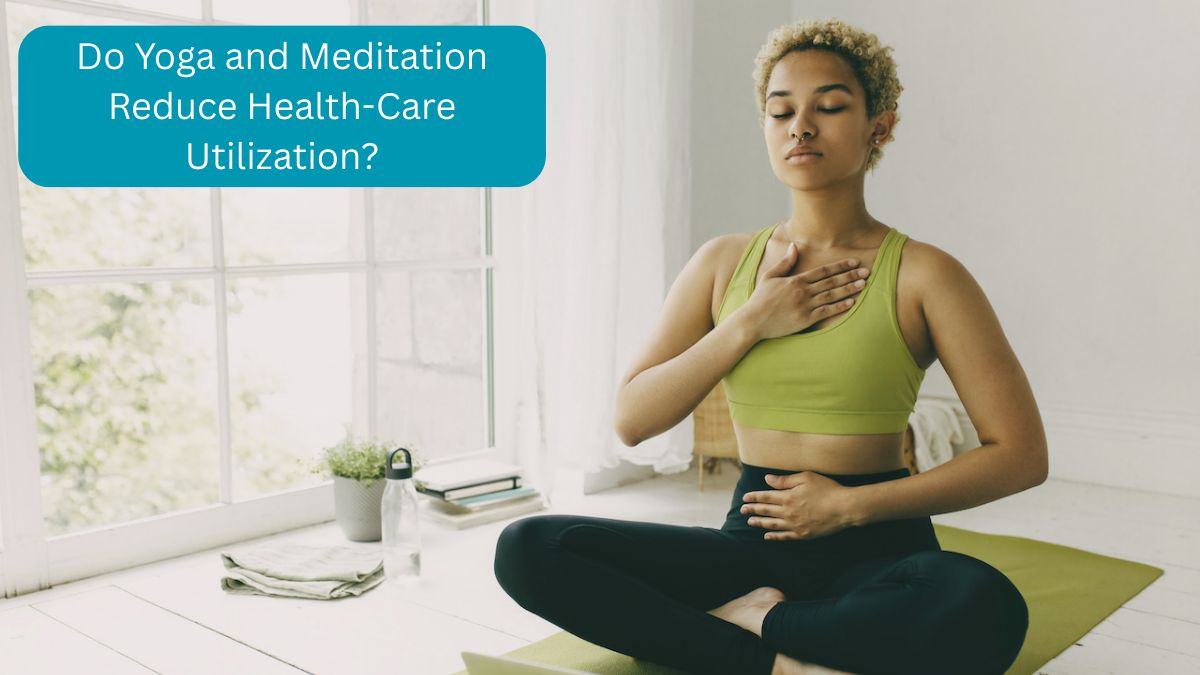
The rising cost of health care is a global concern. Chronic diseases, stress-related illnesses, mental health conditions, and lifestyle-related health problems increasingly burden health systems and individuals. Many patients seek complementary interventions to improve health outcomes, reduce disease risk, and lower the need for frequent doctor visits.
Yoga and meditation have emerged as widely studied mind-body practices with potential to improve physical and mental health. Beyond their traditional role in stress management and flexibility, evidence suggests that these practices may reduce health-care utilization by preventing illness, supporting chronic disease management, and improving overall quality of life.


This article explores the research behind yoga and meditation, explains the mechanisms by which these practices impact health, reviews their effect on health-care usage, and provides guidance for safe and practical integration into daily life.
The Rising Burden of Health-Care Utilization
Health-care utilization refers to the frequency of doctor visits, hospitalizations, emergency room visits, prescription medication use, and other health services. Rising utilization is influenced by:
- Chronic conditions such as diabetes, hypertension, and obesity
- Mental health disorders like anxiety and depression
- Lifestyle factors including sedentary behavior, poor diet, and stress
- Aging populations with complex health needs
- High costs of prescription medications and hospital care
Reducing unnecessary or preventable utilization is a key goal of public health, preventive medicine, and integrative approaches such as yoga and meditation.
How Yoga Impacts Health

Yoga is a holistic practice that integrates physical postures (asanas), breath control (pranayama), and mindfulness/meditation. It has been shown to benefit:
1. Musculoskeletal Health
- Reduces chronic back, neck, and joint pain
- Improves flexibility, strength, and balance
- Prevents injuries related to sedentary behavior
2. Cardiovascular Health
- Lowers blood pressure
- Reduces resting heart rate
- Improves circulation and heart function
3. Metabolic Health
- Improves insulin sensitivity
- Supports weight management
- Reduces risk factors for diabetes
4. Mental Health
- Reduces stress, anxiety, and depression
- Enhances mood and emotional resilience
- Improves sleep quality
5. Respiratory Health
- Improves lung capacity and breathing efficiency
- Supports respiratory function in chronic conditions
By addressing both physical and mental health, yoga reduces the likelihood of illness or complications that lead to doctor visits or hospitalization.
How Meditation Impacts Health
Meditation primarily focuses on mental clarity, stress reduction, and nervous system regulation. Its health benefits include:
- Lowering cortisol and stress hormone levels
- Improving immune function
- Enhancing emotional regulation and resilience
- Reducing symptoms of anxiety and depression
- Supporting chronic disease management

Combined with yoga, meditation creates a mind-body synergy that enhances preventive health, reduces symptom severity, and may reduce reliance on medical services.
Evidence Linking Yoga and Meditation to Reduced Health-Care Utilization
Several studies and clinical trials provide insight into how yoga and meditation impact health-care usage:
1. Chronic Pain Management
- Research shows regular yoga practice reduces back pain, arthritis symptoms, and joint discomfort.
- Patients practicing yoga reported fewer physician visits and decreased medication use for pain management.
2. Stress-Related Illness
- Mindfulness meditation reduces anxiety, depression, and stress-related somatic symptoms.
- Participants in meditation programs had fewer primary care visits and lower reliance on emergency services.
3. Cardiovascular and Metabolic Conditions
- Yoga and meditation improve blood pressure, glucose control, and lipid profiles.
- Improved metabolic health is linked to reduced hospitalizations for cardiovascular and diabetes-related complications.
4. Mental Health Care Utilization
- Mindfulness-based interventions significantly reduce anxiety and depression.
- Fewer psychiatric visits and lower antidepressant use have been reported in long-term meditation practitioners.
5. Preventive Health Behavior
- Yoga and meditation enhance self-awareness, motivation, and health literacy.
- Individuals are more likely to adopt healthy behaviors, exercise regularly, and maintain balanced nutrition, reducing long-term health-care needs.
Mechanisms Behind Reduced Utilization
Yoga and meditation reduce health-care utilization through multiple pathways:
- Stress Reduction: Chronic stress contributes to inflammation, cardiovascular disease, and immune dysfunction. Reducing stress lowers risk for medical complications.
- Improved Lifestyle Choices: Mindful awareness encourages healthy eating, regular exercise, and avoidance of harmful habits.
- Enhanced Pain Management: Yoga provides non-pharmacologic pain relief, decreasing dependency on medications and medical interventions.
- Immune System Support: Mind-body practices boost immune response, reducing infections and illness-related visits.
- Psychological Resilience: Improved emotional regulation reduces mental health crises and associated health-care use.
Practical Integration into Daily Life
To harness the benefits of yoga and meditation for health-care reduction:
- Consistency Over Intensity
- 20–40 minutes daily or 3–5 times per week is effective.
- Combine Yoga and Meditation
- Physical postures enhance circulation and flexibility.
- Meditation reduces stress and improves mind-body awareness.
- Tailor to Individual Needs
- Chronic pain: gentle yoga and restorative poses
- Stress: mindfulness meditation and breathwork
- Cardiovascular risk: dynamic yoga flows and moderate intensity
- Use Guidance
- Certified instructors ensure correct technique and prevent injury.
- Online or in-person programs can provide structured routines.
- Monitor Health Metrics
- Track blood pressure, sleep, pain levels, and mental health to observe improvement over time.
Safety Considerations
- Consult a physician before starting yoga or meditation if you have chronic conditions.
- Start with gentle poses or short meditation sessions.
- Hydrate and practice in a safe environment.
- Progress gradually to prevent injury or strain.
Frequently Asked Questions (FAQ)
Can yoga and meditation replace conventional medical care?
No. They are complementary practices that support health and reduce utilization but are not substitutes for necessary medical treatment.
How soon can I expect fewer doctor visits?
Benefits may appear in 4–12 weeks of consistent practice, but long-term maintenance is essential.
Are all types of yoga equally effective?
Styles vary. Gentle Hatha or Restorative yoga supports stress reduction, while Vinyasa or Power yoga may improve metabolic health.
Does meditation alone reduce health-care utilization?
Yes, especially for stress-related conditions and mental health support.
Can older adults benefit?
Yes. Yoga and meditation can be adapted for seniors, supporting mobility, balance, and mental health.
Do insurance programs recognize yoga and meditation for preventive health?
Some integrative health programs and wellness initiatives provide coverage or reimbursement for structured yoga and mindfulness programs.
Is group practice better than solo practice?
Both are effective. Group classes provide accountability and social support, while solo practice is flexible and accessible.
How do yoga and meditation compare to conventional exercise for utilization reduction?
Yoga and meditation provide unique stress-regulation and mind-body benefits that traditional exercise alone may not. Combined approaches may be most effective.
Conclusion
Yoga and meditation are more than tools for flexibility and relaxation—they are evidence-based interventions that improve physical, mental, and emotional health. Research indicates that regular practice can reduce stress, manage chronic pain, enhance metabolic and cardiovascular health, and support mental resilience. Collectively, these effects contribute to reduced health-care utilization, fewer doctor visits, lower reliance on medications, and improved overall well-being.
By integrating yoga and meditation into daily life, individuals can proactively support their health, potentially reduce medical dependence, and promote a preventive, sustainable approach to lifelong wellness.