
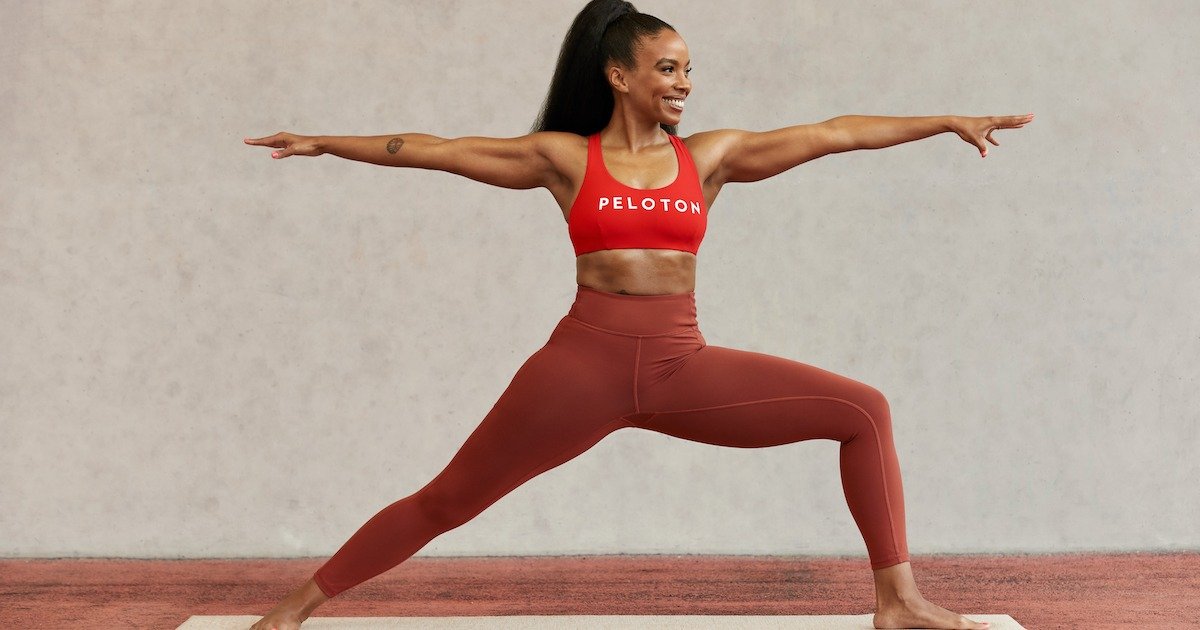
In today’s fast-paced world, finding a workout that combines strength, flexibility, and calorie-burning potential can feel like a challenge. Enter power yoga—a dynamic form of yoga that blends traditional yoga postures with strength-building exercises and cardiovascular elements. Power yoga has grown in popularity worldwide, and for good reason. It offers a complete mind-body workout, improves physical fitness, and boosts mental focus.
Whether you are a beginner or an experienced yogi, understanding the fundamentals of power yoga, its benefits, and how to structure a workout can help you maximize results safely and effectively.
What Is Power Yoga?

Power yoga is a vigorous and fitness-based approach to vinyasa-style yoga, focusing on building strength, flexibility, and endurance. Unlike traditional Hatha yoga, which emphasizes holding poses and gentle stretching, power yoga is more dynamic, incorporating continuous movement and a faster flow of postures.
While power yoga originates from Ashtanga yoga, it does not always follow a strict sequence. This makes it highly adaptable for different fitness levels and goals. The primary aim of power yoga is to enhance physical conditioning, strengthen muscles, improve cardiovascular health, and burn calories while maintaining the mind-body connection that yoga is known for.
Key Benefits of Power Yoga
Power yoga is not just about flexibility; it offers holistic benefits that impact the body, mind, and overall well-being. Let’s explore these in detail:
1. Burns Calories and Supports Weight Loss

Power yoga can be an effective tool for weight management. A 60-minute session can burn anywhere from 300 to 500 calories, depending on the intensity and your body weight. The continuous movement, combined with strength-building poses, engages multiple muscle groups, increases heart rate, and boosts metabolism. Over time, consistent practice can help reduce body fat and improve lean muscle mass.
2. Builds Strength and Muscle Tone
Unlike gentle yoga, power yoga incorporates planks, push-ups, lunges, and balancing poses that target core muscles, arms, legs, and back. These poses not only strengthen muscles but also improve muscle endurance. The dynamic transitions between poses also enhance functional strength that can support everyday movements.
3. Enhances Flexibility and Mobility
Power yoga is excellent for improving flexibility because it requires the body to stretch through a wide range of motion. The flowing sequences target major muscle groups and joints, helping to prevent stiffness and injuries. Increased flexibility also improves posture and contributes to overall body awareness.
4. Boosts Cardiovascular Health

The faster pace of power yoga elevates the heart rate, making it similar to a moderate-intensity cardiovascular workout. Regular practice can help improve circulation, reduce blood pressure, and strengthen the heart. For those who prefer low-impact cardio, power yoga provides an excellent alternative without putting stress on the joints.
5. Improves Mental Focus and Reduces Stress
Like other yoga forms, power yoga incorporates breathing techniques (pranayama) and mindfulness. The combination of challenging poses and controlled breathing enhances mental clarity, focus, and emotional resilience. Many practitioners report reduced stress, better sleep quality, and a greater sense of calm after sessions.
6. Increases Core Stability and Balance
Core strength is crucial for posture, injury prevention, and overall physical performance. Power yoga emphasizes planks, boat poses, and balancing postures that engage abdominal muscles, lower back, and obliques. Improved core stability also enhances balance, coordination, and agility.
7. Supports Detoxification
The vigorous nature of power yoga promotes sweating, which helps eliminate toxins from the body. Additionally, dynamic stretches and twists stimulate the digestive system and aid in better circulation of lymphatic fluids.
Common Power Yoga Poses
A power yoga session typically involves a sequence of poses that flow smoothly from one to another. Here are some common poses used in power yoga:
1. Sun Salutations (Surya Namaskar)
Sun salutations are a warm-up sequence that engages every muscle group. They involve a combination of forward bends, lunges, and planks to increase flexibility, strength, and heart rate.
2. Plank Pose (Phalakasana)
The plank pose is excellent for core strengthening, targeting the abs, shoulders, arms, and back. Power yoga often incorporates variations like side plank or forearm plank to further challenge the muscles.
3. Warrior Series (Virabhadrasana I, II, III)
Warrior poses strengthen the legs, hips, and core while improving balance. These poses are dynamic in power yoga, often moving from one warrior pose to another to create heat and burn calories.
4. Chair Pose (Utkatasana)
Chair pose engages the quads, glutes, and core. In power yoga, holding this pose while flowing into other movements builds endurance and challenges stabilizing muscles.
5. Boat Pose (Navasana)
Boat pose targets the abdominal muscles and hip flexors, helping develop a strong core that supports other yoga poses and everyday activities.
6. Crow Pose (Bakasana)
Crow pose is an arm-balancing pose that strengthens the wrists, arms, and shoulders while improving focus and coordination. Though challenging, it is a staple in many power yoga sequences.
7. Downward Dog (Adho Mukha Svanasana)
Downward dog stretches the hamstrings, calves, and shoulders while elongating the spine. It is often used as a transition pose in power yoga sequences.
8. Chaturanga Dandasana (Four-Limbed Staff Pose)
This pose resembles a low push-up and is used to strengthen the arms, shoulders, and core. In power yoga, it’s often performed in flowing sequences to build stamina.
Structuring a Power Yoga Workout
A typical power yoga session lasts 45 to 75 minutes and can be divided into the following phases:
1. Warm-Up (5–10 minutes)
Start with gentle stretches and basic sun salutations to loosen the muscles and joints. This prepares the body for more challenging poses.
2. Strength and Balance (20–30 minutes)
Move into dynamic sequences that combine planks, warrior poses, and chair variations. Focus on maintaining alignment and controlled breathing.
3. Cardio Flow (10–15 minutes)
Perform continuous sequences like sun salutations, jumping lunges, and vinyasa flows to raise your heart rate and burn calories.
4. Core and Flexibility (10 minutes)
Incorporate poses like boat pose, side plank, and stretches to strengthen the core and improve flexibility.
5. Cool Down and Relaxation (5–10 minutes)
Finish with gentle stretches, forward folds, and savasana (corpse pose) to relax the muscles and calm the mind.
Tips for a Safe and Effective Power Yoga Practice
To maximize benefits and reduce the risk of injury, follow these guidelines:
- Listen to Your Body – Avoid pushing through pain; discomfort is normal, but sharp pain is a signal to stop.
- Focus on Form – Proper alignment ensures that muscles are engaged correctly and prevents strain.
- Use Modifications – Beginners can use blocks, straps, or shorter hold times for challenging poses.
- Stay Hydrated – Power yoga can make you sweat, so drink water before and after practice.
- Practice Consistently – Aim for 3–5 sessions per week to see strength, flexibility, and cardiovascular improvements.
- Pair with a Balanced Diet – Adequate protein, healthy fats, and carbohydrates support muscle recovery and energy levels.
Frequently Asked Questions (FAQs)
1. How is power yoga different from regular yoga?
Power yoga is faster-paced, fitness-oriented, and more intense than traditional yoga styles like Hatha or Yin yoga. While regular yoga focuses on relaxation and flexibility, power yoga emphasizes strength, stamina, and calorie burning.
2. Can beginners do power yoga?
Yes, beginners can start with power yoga. Using modifications and slower flows helps new practitioners build strength and flexibility gradually. Over time, sequences can be made more challenging.
3. How many calories can I burn in a power yoga session?
On average, a 60-minute session can burn 300–500 calories, depending on intensity, body weight, and flow speed.
4. Do I need any equipment for power yoga?
A yoga mat is essential. Blocks, straps, and a yoga towel can help with balance and pose modifications, but they are optional.
5. How often should I practice power yoga?
For optimal results, practice 3–5 times a week. Consistency improves strength, flexibility, balance, and cardiovascular health.
6. Is power yoga good for weight loss?
Yes. Power yoga burns calories and builds lean muscle, which boosts metabolism and contributes to weight loss over time.
7. Can power yoga help with stress?
Absolutely. The combination of dynamic movement, deep breathing, and mindfulness helps reduce stress, anxiety, and tension, improving overall mental health.
Conclusion
Power yoga is a comprehensive workout that blends flexibility, strength, balance, and cardio into one dynamic practice. Unlike traditional yoga styles, it challenges both the body and mind, helping you burn calories, tone muscles, and improve mental focus. With regular practice, power yoga can transform your fitness routine, enhance posture, increase energy levels, and reduce stress.
Whether you are a beginner looking for a new way to stay active or an experienced yogi seeking a more challenging workout, power yoga offers something for everyone. By combining proper technique, consistent practice, and mindful breathing, you can stretch, strengthen, and burn calories effectively while enjoying the holistic benefits of this energizing yoga practice.