



Our bodies are naturally equipped with sophisticated detoxification systems. The liver, kidneys, digestive system, skin, lungs, and lymphatic system continuously work to remove toxins, metabolic waste, and environmental pollutants. However, modern lifestyles—sedentary habits, poor diet, stress, alcohol consumption, and exposure to chemicals—can overload these systems, reducing their efficiency and leading to fatigue, bloating, inflammation, and low energy levels.
Yoga is a powerful, natural method to support and enhance the body’s detoxification processes. Through a combination of movement, breath, and mindfulness, yoga stimulates circulation, improves digestion, encourages lymphatic flow, enhances organ function, and balances the nervous system. Unlike fad detox diets or extreme cleanses, yoga provides a sustainable, safe, and science-backed way to support the body’s natural cleansing mechanisms.

This article explores the science behind detoxification, explains how yoga assists natural detox processes, presents specific yoga poses and techniques, and provides a safe daily detox routine.
How Detoxification Works in the Body
The body has several primary detox pathways:
- Liver – Filters toxins from the blood, metabolizes chemicals, and supports bile production.
- Kidneys – Remove water-soluble waste and maintain electrolyte balance.
- Digestive System – Breaks down food, absorbs nutrients, and eliminates waste.
- Lymphatic System – Transports immune cells and removes metabolic byproducts.
- Skin – Eliminates toxins via sweat.
- Lungs – Expel volatile toxins through respiration.
These systems function best when supported by:
- Proper hydration
- Balanced nutrition
- Regular movement
- Adequate sleep
- Stress management

Yoga targets many of these factors naturally, enhancing circulation, muscle engagement, organ stimulation, and nervous system balance.
How Yoga Supports Detoxification
Yoga aids detoxification through multiple mechanisms:
- Improved Circulation: Twists, inversions, and dynamic flows stimulate blood and lymph flow, enhancing nutrient and waste transport.
- Lymphatic Activation: Muscle contractions and controlled movements compress lymph vessels, promoting fluid movement.
- Organ Stimulation: Twists, bends, and compression poses massage internal organs, improving digestion, liver function, and bile flow.
- Nervous System Regulation: Breathwork and meditation reduce cortisol, lowering inflammation and supporting metabolic efficiency.
- Sweat-Inducing Poses: Hot yoga or dynamic sequences encourage sweat, aiding toxin elimination via skin.
- Breath-Focused Detox: Deep diaphragmatic breathing increases oxygenation, supports lung detoxification, and enhances cellular metabolism.
By integrating these mechanisms, yoga complements the body’s natural cleansing pathways safely and sustainably.
Top Yoga Poses for Detoxification
1. Twists (Ardha Matsyendrasana / Seated Spinal Twist)

Twists compress and release abdominal organs, stimulating liver and kidney function and improving digestion.
How to practice:
- Sit with legs extended, bend the right knee over the left leg.
- Place the right hand behind you and left elbow outside the right knee.
- Lengthen the spine and gently twist, breathing deeply.
- Hold for 30–60 seconds per side.
2. Forward Folds (Paschimottanasana / Seated Forward Bend)
Forward folds compress the abdominal region, encouraging detoxification via gentle organ massage.
How to practice:
- Sit with legs extended.
- Hinge at the hips and fold forward, keeping the spine long.
- Relax shoulders and breathe deeply.
- Hold for 1–2 minutes.
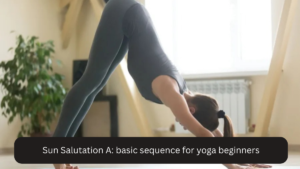
3. Downward-Facing Dog (Adho Mukha Svanasana)
This inversion stimulates circulation, aids lymphatic flow, and decompresses the organs.
How to practice:
- Start on hands and knees, lift hips to create an inverted V-shape.
- Spread fingers wide and lengthen the spine.
- Press heels toward the floor and hold for 1–2 minutes while breathing.
4. Bridge Pose (Setu Bandha Sarvangasana)
Bridge pose stimulates abdominal organs, improves digestion, and enhances circulation.
How to practice:
- Lie on your back with knees bent and feet flat.
- Press into your feet, lift hips, and engage glutes.
- Interlace fingers under the body if comfortable.
- Hold for 30–60 seconds.
5. Legs-Up-the-Wall Pose (Viparita Karani)
This inversion encourages lymphatic drainage and blood circulation while calming the nervous system.
How to practice:
- Lie on your back and place legs vertically against a wall.
- Relax arms at your sides, breathe deeply.
- Hold for 3–5 minutes.
6. Cat-Cow Flow (Marjaryasana–Bitilasana)
Gentle spinal movement massages internal organs, stimulates peristalsis, and improves circulation.
How to practice:
- Start on hands and knees.
- Inhale arching the spine (Cow), exhale rounding (Cat).
- Flow slowly for 1–2 minutes.
7. Sun Salutations (Surya Namaskar)
Dynamic sequences increase circulation, promote sweating, stimulate muscles, and support overall metabolism.
How to practice:
- Perform 5–10 rounds of Sun Salutations with mindful breathing.
- Move fluidly, synchronizing breath with movement.
8. Twisting Lunge (Parivrtta Anjaneyasana)
Combines hip opening and spinal twisting for abdominal compression and organ stimulation.
How to practice:
- Step one foot forward into a low lunge.
- Twist torso toward the front leg, extending opposite arm upward.
- Hold for 30–60 seconds per side.
9. Supported Reclined Twist (Supta Matsyendrasana)
A restorative pose that gently twists the spine and massages internal organs.
How to practice:
- Lie on your back, bend knees, drop knees to one side.
- Extend arms at shoulder level.
- Hold 1–3 minutes per side, breathing deeply.
Daily Yoga Detox Routine (15–20 minutes)
- Cat-Cow Flow – 1–2 minutes
- Forward Fold – 1–2 minutes
- Twists – 30–60 seconds per side
- Downward-Facing Dog – 1–2 minutes
- Bridge Pose – 30–60 seconds
- Sun Salutations – 5–10 rounds
- Twisting Lunge – 30–60 seconds per side
- Legs-Up-the-Wall Pose – 3–5 minutes
- Supported Reclined Twist – 1–3 minutes per side
This sequence supports lymphatic flow, organ stimulation, nervous system relaxation, and circulation.
Safety and Practice Guidelines
- Move mindfully and with control
- Avoid holding poses that cause pain
- Use props for support
- Hydrate before and after practice
- Practice in a well-ventilated space
- Breathe deeply and rhythmically
- Rest if dizzy or fatigued
- Avoid extreme heat unless experienced
Frequently Asked Questions (FAQ)
Does yoga actually detox the body?
Yes. Yoga supports the body’s natural detox systems by improving circulation, lymphatic flow, organ stimulation, and stress regulation.
Can yoga replace detox diets or cleanses?
No. Yoga complements healthy nutrition and lifestyle habits; it does not replace essential organ function or a balanced diet.
How often should I practice yoga for detoxification?
Daily practice is ideal, but 3–5 sessions per week also provide significant benefits.
Can yoga help with bloating and digestive issues?
Yes. Twists, forward folds, and gentle abdominal compression improve digestion and reduce bloating.
Is it safe for beginners?
Yes. All poses can be modified using props and adjustments.
Does yoga induce sweating for toxin release?
Some dynamic or heated yoga styles increase sweat, but detoxification also occurs through circulation, lymph flow, and organ stimulation.
Can yoga improve liver and kidney function?
Yoga stimulates organs indirectly via compression, twists, and improved blood flow, supporting overall function.
Is there an optimal time for yoga detox practice?
Morning practice on an empty stomach is ideal for stimulating digestion and energy flow.
Can yoga support mental detoxification?
Yes. Mindful movement, breathwork, and meditation reduce stress, improve focus, and enhance emotional clarity.
How long before I notice benefits?
Most people experience improved digestion, energy, and clarity within 1–2 weeks of consistent practice.
Conclusion
Yoga is a natural, sustainable, and effective method for supporting the body’s detoxification systems. Unlike extreme cleanses or fad detox diets, yoga enhances circulation, lymphatic flow, organ function, nervous system balance, and metabolism. Through mindful movement, deep breathing, twists, forward folds, inversions, and restorative poses, yoga helps the body process and eliminate toxins while improving overall vitality.
By integrating a short, consistent yoga detox routine into daily life, you support not only physical cleansing but also mental clarity, emotional balance, and long-term health. Yoga is not just exercise—it is a holistic pathway to enhanced detoxification and optimal well-being.