
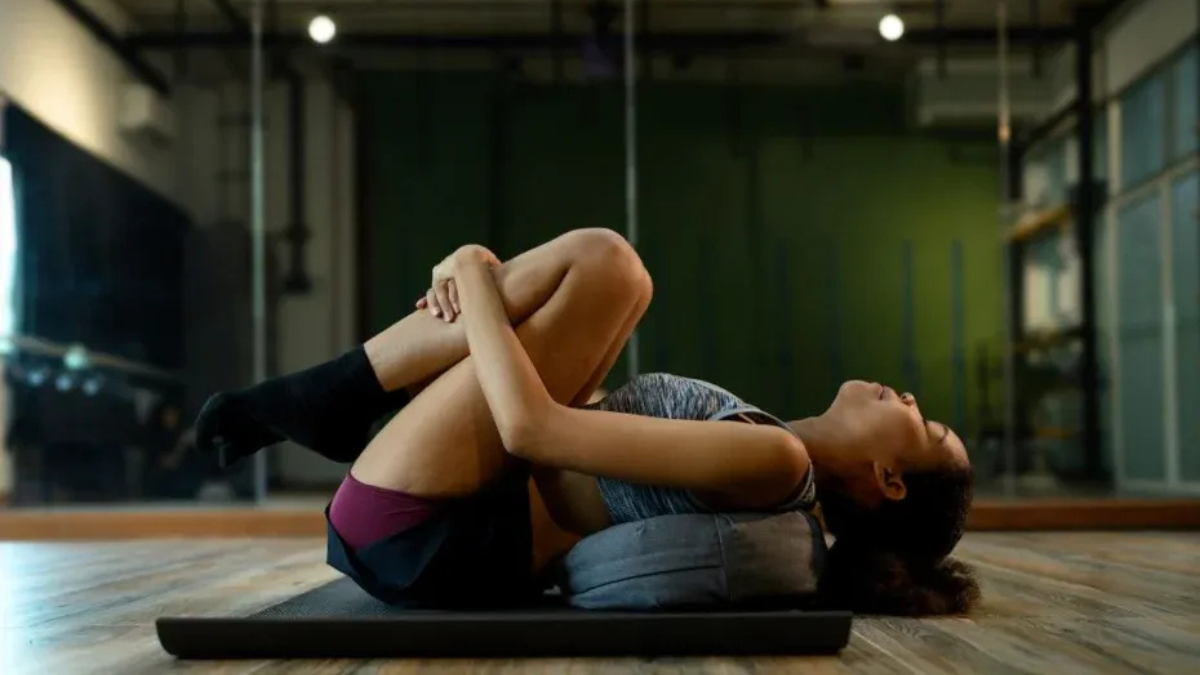
Healthy knees are essential for everyday movement, from walking and climbing stairs to exercising and maintaining an active lifestyle. Unfortunately, knee discomfort has become increasingly common due to long hours of sitting, poor posture, weak muscles, and a lack of flexibility.
While medical treatment is important for serious injuries, gentle yoga can be an excellent way to strengthen the muscles around your knees, improve joint stability, and reduce the risk of pain over time.
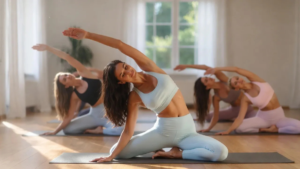
Yoga focuses on balanced strength, flexibility, and proper alignment. Instead of placing stress directly on the joints, it builds support in surrounding muscles like the thighs, hips, and calves. With consistent practice, you may notice improved mobility, reduced stiffness, and greater confidence in everyday movement. This guide explores effective yoga poses that help protect and strengthen your knees while promoting overall physical and mental well-being.
Why Knee Strength Matters
Your knees carry a significant portion of your body weight, making them vulnerable to strain and injury. Weak muscles around the knees can cause poor alignment and uneven pressure on the joint. Tight hips and hamstrings may also pull on the knee joint, leading to discomfort during movement.
Yoga helps correct these issues by improving flexibility and strengthening stabilizing muscles. It also increases body awareness, allowing you to notice and adjust unhealthy movement patterns before they cause injury. In addition to physical benefits, yoga encourages relaxation and stress reduction, which can help ease tension that contributes to chronic pain.
Understanding Safe Knee Alignment In Yoga
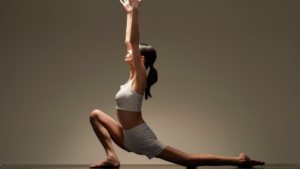
Before practicing any pose, it is important to understand proper alignment. Always keep your knees in line with your toes and avoid twisting or locking the joint. Move slowly into each pose and use props like yoga blocks or cushions for support if needed. If you feel sharp or sudden pain, stop immediately and modify the movement.
Focus on controlled breathing and gentle muscle engagement rather than pushing yourself into deep stretches. The goal is to build strength and stability gradually.
1. Mountain Pose (Tadasana)
Mountain Pose may look simple, but it builds awareness of posture and knee alignment. This foundational position helps you learn how to distribute weight evenly through your legs.
Stand tall with your feet hip-width apart and your arms resting by your sides. Engage your thigh muscles gently while keeping a slight softness in your knees instead of locking them. Lift your chest and lengthen your spine as you take slow breaths.
Practicing Mountain Pose regularly helps strengthen leg muscles and improve balance. It also teaches you how to stand with proper alignment, which reduces unnecessary stress on your knees during daily activities.
2. Chair Pose (Utkatasana)
Chair Pose is a powerful strengthening movement that targets the thighs, hips, and glutes — key muscles that protect the knee joint.
Begin standing with your feet together or slightly apart. Bend your knees and sit your hips back as if lowering into an invisible chair. Keep your knees aligned with your toes and your chest lifted. Raise your arms overhead if comfortable.
Hold the pose for a few breaths, then slowly return to standing. This pose strengthens the muscles surrounding your knees and improves endurance, helping reduce strain during activities like walking or climbing stairs.
3. Warrior II (Virabhadrasana II)
Warrior II builds strength in the legs and improves stability in the knee joint while enhancing balance and coordination.
Step one foot back and turn it slightly outward. Bend your front knee so it stacks above your ankle, keeping your thigh parallel to the floor if possible. Extend your arms outward and gaze over your front hand.
This pose strengthens the quadriceps and hamstrings while promoting proper knee alignment. It also improves hip flexibility, which reduces pressure on the knees during movement.
4. Bridge Pose (Setu Bandhasana)
Bridge Pose is excellent for strengthening the glutes and hamstrings — muscles that play a vital role in protecting the knees.
Lie on your back with your knees bent and feet flat on the floor. Press your feet into the ground and lift your hips toward the ceiling. Keep your knees aligned with your hips and avoid letting them fall inward.
Hold for several breaths before lowering slowly. Strong glutes help stabilize the knees and reduce stress during physical activities.
5. Tree Pose (Vrikshasana)
Tree Pose improves balance and strengthens stabilizing muscles in the legs and ankles, which are essential for knee health.
Stand on one foot and place the sole of your opposite foot against your calf or inner thigh. Avoid placing it directly on the knee. Bring your hands together at your chest or raise them overhead.
This pose challenges your balance while strengthening the muscles that support the knee joint. It also enhances focus and body awareness.
6. Low Lunge (Anjaneyasana)
Low Lunge stretches tight hip flexors and strengthens the legs, helping reduce tension that can pull on the knees.
Step one foot forward into a lunge while lowering your back knee to the floor. Keep your front knee aligned above your ankle and your hips facing forward. Raise your arms or place your hands on your front thigh for support.
Stretching the hips allows your knees to move more freely and comfortably, reducing strain during walking and exercise.
7. Supported Half Squat
A gentle half squat using a chair or wall for support can help build knee strength safely.
Stand facing a wall or hold onto a sturdy chair. Bend your knees slightly while keeping your back straight and your weight evenly distributed. Slowly return to standing.
This movement strengthens the thighs and improves joint stability without placing excessive pressure on the knees.
Benefits Of Yoga For Knee Health
Regular practice of these poses offers several long-term advantages. Strengthening the muscles around your knees improves joint support and reduces the risk of injury. Improved flexibility helps maintain a full range of motion and prevents stiffness. Yoga also enhances balance and coordination, making daily movements safer and more efficient.
Another benefit is stress reduction. Chronic tension can lead to muscle tightness, which affects knee movement and comfort. Gentle breathing exercises and mindful movements encourage relaxation and promote overall well-being.
Tips For Practicing Yoga With Sensitive Knees
If you have sensitive knees, consider using extra padding under your joints during kneeling poses. Move slowly and avoid deep bends until your strength improves. Focus on strengthening your hips and core, as these areas provide essential support for the knees.
Always warm up before starting your practice with gentle movements like ankle rolls or light stretching. Cooling down with relaxation poses can help your muscles recover and reduce soreness.
Building A Simple Weekly Routine
A balanced knee-friendly yoga routine might include Mountain Pose and Chair Pose for strength, Warrior II for stability, Bridge Pose for support muscles, and Tree Pose for balance. Adding gentle stretches like Low Lunge a few times a week can help maintain flexibility and reduce tension.
Practicing for 15 to 20 minutes a few times a week can make a noticeable difference in how your knees feel during everyday activities. Consistency is more important than intensity.
Final Thoughts
Strong, healthy knees are essential for maintaining an active and happy lifestyle. Yoga provides a gentle yet effective way to build strength, improve flexibility, and protect your joints from unnecessary strain. By focusing on proper alignment, controlled movements, and consistent practice, you can reduce discomfort and support long-term joint health.
Start slowly, listen to your body, and celebrate small improvements over time. With patience and dedication, yoga can help you move with greater ease, confidence, and comfort — supporting not only your physical health but also your overall sense of well-being and happiness.